Exploring the Versatility of Abstract Paper Cut Patterns in Modern Design
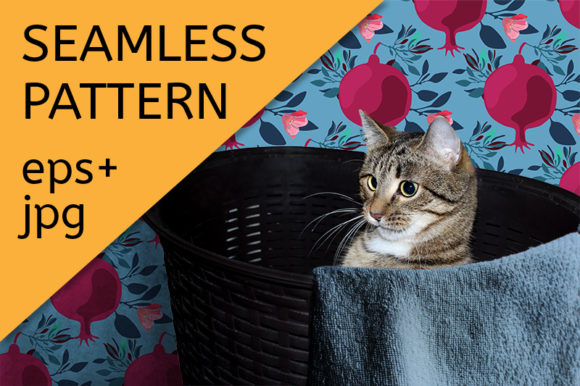
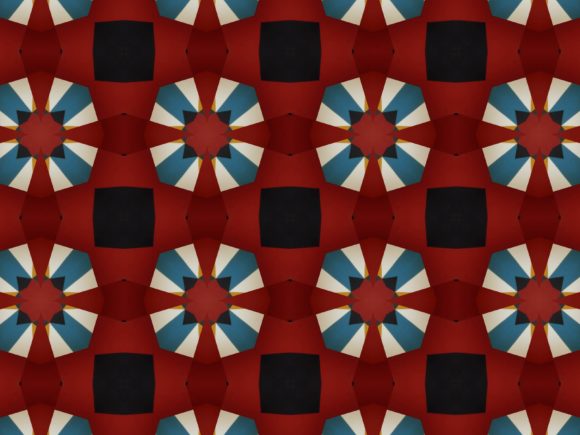
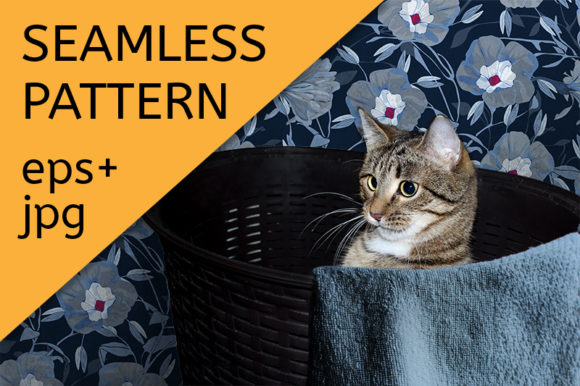
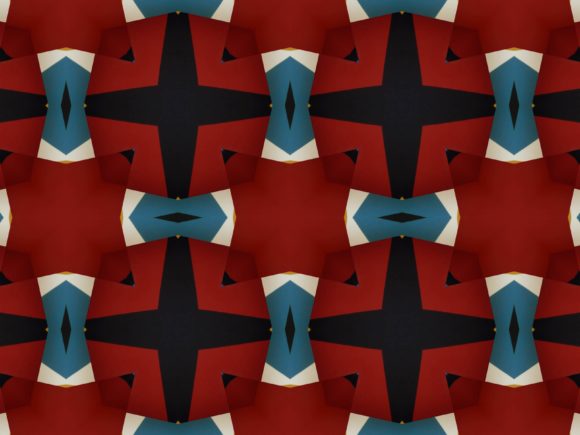
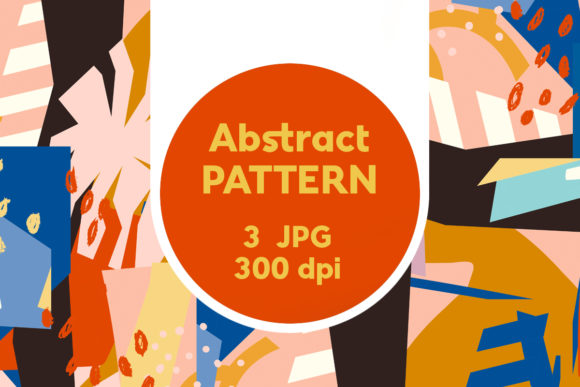
Abstract Paper Cut Pattern is a unique and visually striking design element that has gained popularity in recent years. This style involves intricate, hand-drawn illustrations and cut-out paper collages, often featuring abstract floral elements. The result is a modern, Scandinavian flat design that can be used for a variety of creative projects, such as posters, invitations, postcards, and T-shirt designs.
What Makes Abstract Paper Cut Pattern Distinct?
The distinctiveness of Abstract Paper Cut Pattern lies in its combination of hand-drawn illustrations and the tactile nature of paper collage. This blend creates a rich, layered texture that adds depth and character to any design. The abstract floral elements, in particular, bring a natural and organic feel, making the patterns versatile for both minimalist and more elaborate design aesthetics.
Comparing Abstract Paper Cut Pattern with Other Design Styles
When considering Abstract Paper Cut Pattern, it's useful to compare it with other popular design styles. For instance, traditional vector graphics offer clean, scalable designs but may lack the organic, handcrafted feel. On the other hand, watercolor and ink illustrations provide a fluid, artistic touch but may not have the same level of detail and texture as paper cut patterns.
- Vector Graphics: Clean, scalable, and easy to edit, but can sometimes feel too uniform and lacking in texture.
- Watercolor and Ink Illustrations: Fluid and artistic, but may not be as detailed or as texturally rich as paper cut patterns.
- Photography: Realistic and vivid, but may not offer the same level of creative abstraction and stylization.
Strengths and Tradeoffs of Abstract Paper Cut Pattern
One of the key strengths of Abstract Paper Cut Pattern is its versatility. It can be used in a wide range of applications, from digital designs to physical prints. The high-resolution images (3750 x 3750 300dpi, 9862 x 4500 300dpi, and 5000 x 5000 300dpi) ensure that the patterns are suitable for both small and large-scale projects, maintaining their clarity and detail.
However, there are also some tradeoffs to consider. The handcrafted nature of these patterns means that they may not be as easily editable as vector graphics. Additionally, while the abstract and floral elements add a unique touch, they may not be suitable for all design contexts, particularly those requiring a more formal or minimalistic approach.
Best-Fit Situations for Abstract Paper Cut Pattern
Abstract Paper Cut Pattern is an excellent choice for projects that require a modern, artistic, and slightly whimsical touch. It is particularly well-suited for:
- Posters and wall art, where the intricate details and textures can shine.
- Invitations and greeting cards, adding a personal and handmade feel.
- T-shirt and apparel designs, offering a unique and eye-catching aesthetic.
- Website and app backgrounds, providing a visually engaging and dynamic look.
Limitations and Decision Factors
While Abstract Paper Cut Pattern offers many advantages, it may not be the best fit for every project. Consider the following factors when deciding whether to use this style:
- Project Context: If your project requires a very formal or minimalist design, Abstract Paper Cut Pattern might be too decorative and detailed.
- Editability: If you need to make frequent and detailed edits, vector graphics might be a more practical choice.
- Brand Consistency: Ensure that the abstract and floral elements align with your brand's visual identity and messaging.
When to Choose Abstract Paper Cut Pattern
Abstract Paper Cut Pattern is ideal for projects that aim to stand out with a unique, handcrafted, and artistic touch. It is particularly effective for creating memorable and visually appealing designs for events, personal branding, and creative products. If you value the organic, textured, and visually rich qualities of hand-drawn and paper collage elements, this style is a strong contender.
In summary, Abstract Paper Cut Pattern offers a distinctive and versatile design option that can enhance a wide range of creative projects. By understanding its strengths, tradeoffs, and best-fit situations, you can make a more informed decision and choose the right design style for your needs.